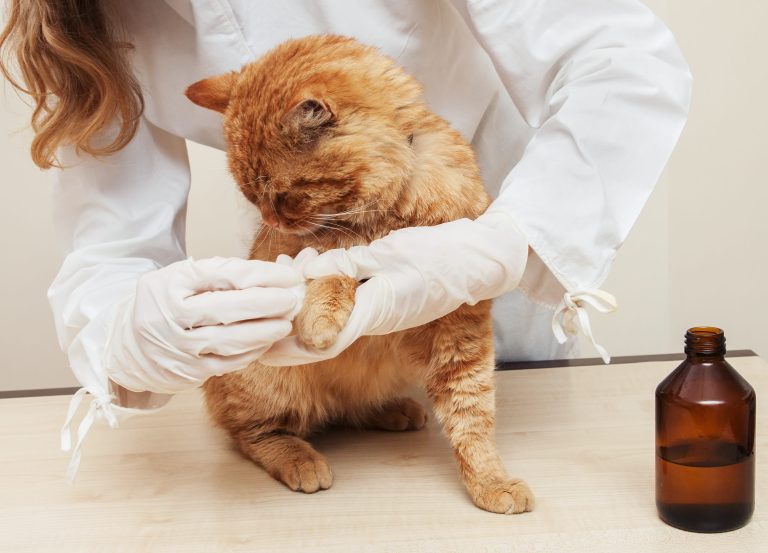
When your pet has a cut, bite wound, puncture, torn skin, burn, or other injury, it can be difficult to know how serious it is by looking at it. Some wounds are minor, while others involve deeper tissue damage, contamination, pain, or infection risk.
Veterinary wound repair begins with an urgent assessment of the wound and your pet’s overall condition. At Summit Veterinary Urgent Care, our team uses a triage-based approach to determine the safest next step. Treatment may include cleaning the wound, removing debris or damaged tissue, managing pain, deciding whether stitches, staples, bandages, or drains are needed, and providing clear recovery instructions.
Our clinic offers walk-in urgent veterinary care, after-hours support, and compassionate communication for pet owners in Decatur, Priceville, Huntsville, and the surrounding North Alabama area. We care for dogs, cats, small mammals, small ruminants, and limited bird cases.
This Article Will Address
- What happens during veterinary wound repair for dogs and cats
- When a pet wound may need stitches or urgent veterinary treatment
- Whether anesthesia or sedation may be needed
- What to expect after stitches, staples, bandages, or drains
- How to care for your pet’s wound at home
- How to stop pets from licking or reopening the wound
- Signs of infection after veterinary wound repair
- When to return for follow-up care or rechecks
What Happens During Veterinary Wound Repair For Dogs And Cats?
Veterinary wound repair starts with a careful exam. When your pet arrives at Summit Veterinary Urgent Care, our team first determines how urgent the injury is and whether your pet needs stabilization before treatment. Pets with heavy bleeding, severe pain, trauma, breathing concerns, weakness, or signs of shock may need immediate care.
Once your pet is stable, we examine the wound and ask how the injury happened. Bite wounds and punctures can be especially concerning because bacteria and tissue damage may extend beneath the skin.
Wound repair may include:
- Triage and pain assessment
- Wound examination
- Clipping fur around the wound
- Cleaning and flushing the area
- Removing debris or damaged tissue
- Checking for deeper injury
- Deciding whether the wound should be closed, bandaged, drained, or left partially open
- Sending home medications and recovery instructions
When Does A Pet Wound Need Stitches Or Veterinary Treatment?
A pet wound may need stitches, staples, bandaging, drainage, or other veterinary treatment if it is deep, painful, contaminated, bleeding, or located in an area that moves frequently. Bite wounds and puncture wounds should also be evaluated, even if they look small.
Seek veterinary care if your pet has:
- An animal bite
- Deep cuts or torn skin
- Continued bleeding
- A puncture wound
- Trauma-related wounds
- Dirt, glass, metal, or another object in the wound
- A wound near the face, eyes, chest, abdomen, or joints
- Swelling, pain, drainage, or bad odor
- Weakness, limping, lethargy, or trouble walking
- A wound that appears to be getting worse
How Does A Veterinarian Evaluate A Wound?
Wound evaluation involves more than checking the visible cut. A veterinarian considers the full injury, your pet’s pain level, and whether deeper tissue may be affected.
During the exam, we may evaluate:
- Wound depth and length
- Bleeding
- Contamination
- Signs of infection
- Pain level
- Muscle, tendon, joint, or deeper tissue damage
- Whether the wound is fresh or older
- Whether stabilization is needed before repair
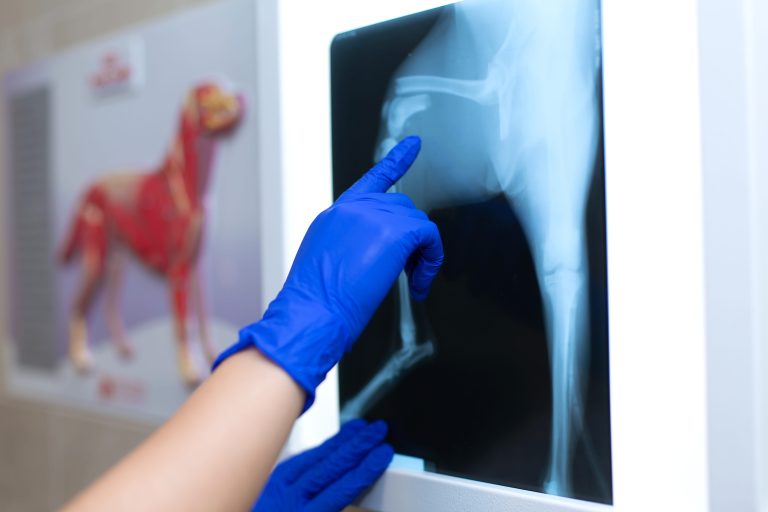
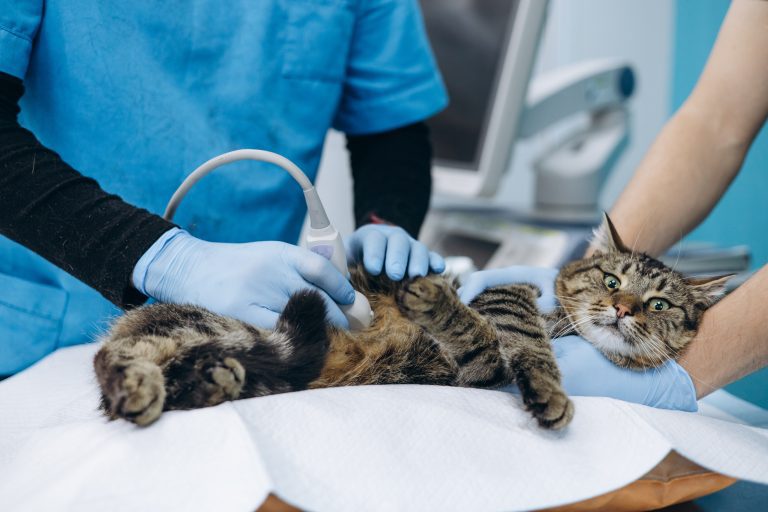
Additional diagnostics may be recommended for trauma, suspected internal injury, or wounds near sensitive areas. Summit Veterinary Urgent Care combines urgent care experience, modern equipment, and clear communication to help pet owners understand the recommended treatment plan.
Does My Pet Need Anesthesia For Wound Repair?
Some pets need sedation or anesthesia for wound repair, while others may only need local care, cleaning, and pain management. The safest option depends on the wound, pain level, location, temperament, and type of repair needed.
In general:
- Minor wounds may only need cleaning and basic treatment.
- Deep, painful, or complex wounds may require sedation or anesthesia.
- Stitches, staples, drains, or deeper cleaning may require stronger pain control.
- Sedation can reduce fear, movement, and stress during treatment.
- The veterinary team will explain the safest option for your pet.
What Are The Stages Of Wound Healing In Pets?
Pet wound healing usually happens in stages. The timeline depends on the type of wound, how severe it is, whether infection is present, and how well the wound is protected during recovery.
The four general stages of wound healing include:
- Inflammation: The body responds to the injury. Mild redness, warmth, swelling, and tenderness can occur early in healing.
- Debridement: The body begins clearing damaged tissue, debris, and bacteria from the wound.
- Repair: New tissue forms, and the wound begins to close and strengthen.
- Maturation: The tissue continues to strengthen over time as healing progresses.
Some wounds improve quickly with proper care, while deeper or contaminated wounds may take longer. Your pet’s age, health, activity level, and ability to avoid licking or chewing the area can all affect recovery.
What Should I Expect After My Pet Has Stitches Or Staples?
After stitches or staples, your pet may be tired, especially if sedation or anesthesia was used. Mild redness, swelling, tenderness, or a small amount of clear or pink-tinged drainage can be normal early in recovery. Your pet may go home with antibiotics, pain medication, a cone, a recovery collar, a bandage, or activity restrictions.
Watch the area closely for changes in swelling, drainage, odor, bandage condition, or attempts to lick, chew, scratch, or rub the wound. Follow all discharge instructions, and contact the veterinary team if anything seems unusual.
How Do I Care For My Pet’s Wound At Home After Treatment?
Good at-home care helps prevent infection, reopening, and delayed healing. Follow medication instructions exactly, keep the wound clean and dry, prevent licking or chewing, limit running and rough play, and check the area daily for redness, swelling, discharge, odor, or opened sutures.
If a bandage is used, keep it dry and intact. Do not apply hydrogen peroxide, rubbing alcohol, ointments, powders, home remedies, or new bandages unless your veterinarian recommends them. These can irritate tissue or interfere with healing.
How Can I Stop My Dog Or Cat From Licking Their Wound?
Licking can introduce bacteria, loosen sutures, reopen the wound, and slow healing. Your veterinarian may recommend an Elizabethan collar, soft recovery collar, medical recovery suit, protective bandage, activity restriction, or close supervision during early recovery.
Cats and dogs may need different solutions based on the wound location and their behavior. If your pet removes stitches, damages a bandage, or continues licking despite protection, contact the veterinary team for guidance.
What Are Signs Of Infection After Veterinary Wound Repair?
Mild redness or swelling can be normal early in healing, but worsening symptoms may point to infection or another complication. Contact a veterinarian if you notice increasing redness, worsening swelling, heat around the wound, thick discharge or pus, bad odor, ongoing bleeding, wound edges opening, increased pain, fever, lethargy, appetite loss, limping, or excessive licking.
If your pet seems painful, weak, very tired, or unlike themselves, do not wait to seek care. Summit Veterinary Urgent Care provides after-hours veterinary care in North Alabama for pets who need timely attention.
When Should I Bring My Pet Back To The Vet After Wound Repair?
Follow-up timing depends on the wound and treatment plan. Some pets need a recheck to make sure the wound is healing properly. Others may need bandage changes, drain removal, or suture or staple removal.
You should bring your pet back sooner if the wound opens, your pet removes stitches or staples, a bandage slips or gets wet, swelling or discharge increases, your pet seems painful or lethargic, your pet stops eating, or you are unsure whether healing looks normal.
Why Choose Summit Veterinary Urgent Care For Wound Repair In Decatur, AL?
When your pet is injured, you need clear answers, timely care, and a team that understands how stressful urgent veterinary situations can feel. Summit Veterinary Urgent Care serves pet owners throughout Decatur, Priceville, Huntsville, and North Alabama.
Pet owners choose our clinic for wound repair because we offer walk-in urgent care with no appointment necessary, after-hours veterinary care, triage-based treatment, clear communication, and a compassionate, fear-free approach. Our open concept allows owners to stay with pets during as much of treatment as possible, and our team can care for dogs, cats, small mammals, small ruminants, and limited bird cases.
Urgent Veterinary Wound Care In Decatur, AL
Veterinary wound repair and recovery involve more than cleaning a cut. A veterinary team evaluates the wound, manages pain, reduces infection risk, repairs tissue when needed, and provides instructions to help your pet heal safely at home.
If your pet has a cut, bite wound, puncture, torn skin, burn, or wound that is not healing normally, contact or visit Summit Veterinary Urgent Care. Walk-ins are welcome, and our team provides urgent veterinary care for pets in Decatur, Priceville, Huntsville, and the surrounding North Alabama area.