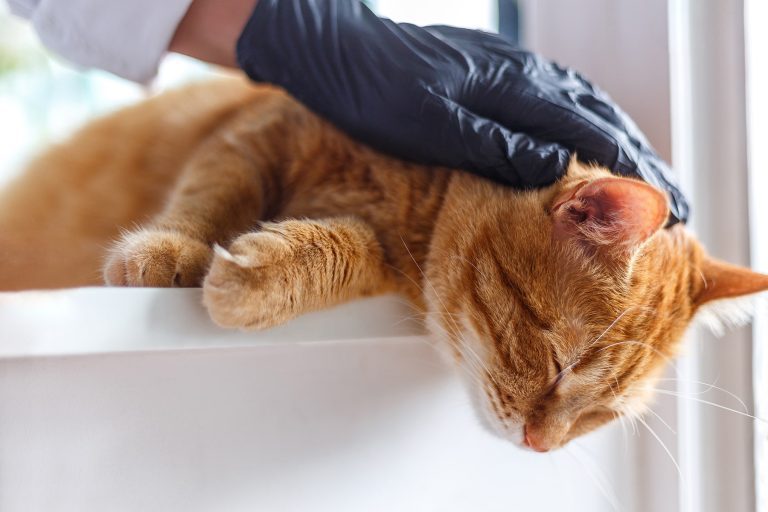
If your pet has a seizure, stay calm, move nearby objects away to prevent injury, avoid touching their mouth, and carefully time the episode. Most seizures last under a few minutes, but if one lasts longer than five minutes or happens repeatedly, you should seek urgent veterinary care immediately.
Watching your pet experience a seizure can be overwhelming. Many pet owners feel unsure of what to do in the moment, especially when symptoms appear suddenly. At Summit Veterinary Urgent Care, we understand how stressful these situations can be. Knowing how to respond quickly and safely can make a meaningful difference in your pet’s outcome. Whether you have a dog or a cat, having a clear plan helps you stay focused and protect your pet when it matters most.
This Article Will Address
- What to do immediately during a seizure
- How to keep your pet safe
- What causes seizures in dogs and cats
- When a seizure becomes an emergency
- When to worry about recurring seizures
- Whether pets can recover without treatment
- What to expect from a veterinarian after a seizure
- Where to find urgent veterinary care in Decatur, AL
What Should I Do Immediately if My Dog or Cat Is Having a Seizure?
If your pet begins having a seizure, your first priority is to keep them safe while closely observing what is happening. Try to remain calm and focus on the following steps:
- Stay calm and observe your pet’s behavior
- Move furniture or objects away to prevent injury
- Do not touch your pet’s mouth or attempt to hold their tongue
- Reduce noise and dim lights to limit stimulation
- Time the seizure from start to finish
- Record a video if possible to share with your veterinarian
Even though most seizures resolve within a few minutes, prolonged or repeated episodes require immediate medical attention. If your pet’s seizure lasts more than a few minutes, contact an urgent care veterinarian right away.
How Can I Keep My Pet Safe During a Seizure Episode?
Creating a safe environment during a seizure can help prevent additional injury. Pets are not aware of their surroundings during an episode, so your role is to minimize risk.
Gently guide your pet away from hazards such as stairs, sharp edges, or hard surfaces. Avoid restraining them, as this can increase stress or lead to accidental injury. If possible, place a soft object near their head to provide protection while allowing the seizure to run its course naturally. Keep other pets at a distance to avoid confusion or accidental harm.
Maintaining a calm environment is one of the most effective ways to support your pet during this time.
What Should You NOT Do During a Pet Seizure?
Understanding what not to do is just as important as knowing the correct steps.
- Do not put your hands near your pet’s mouth
- Do not try to stop or control their movements
- Do not offer food or water during the episode
- Do not panic or attempt to restrain your pet forcefully
These actions can increase the risk of injury for both you and your pet. Allow the seizure to pass while focusing on safety and observation.
How Long Is Too Long for a Seizure in Pets?
Most seizures in dogs and cats last between a few seconds and two to three minutes. While this can feel much longer in the moment, short seizures are often self-limiting.
A seizure lasting longer than five minutes is considered a medical emergency. This condition, sometimes referred to as status epilepticus, can lead to serious complications without prompt treatment. Additionally, multiple seizures occurring within a short period, known as cluster seizures, also require immediate veterinary care.
If you are unsure, it is always safest to contact a veterinary professional for guidance.
Should I Take My Pet to an Emergency Vet After a Seizure?
There are several situations where seeking urgent veterinary care is strongly recommended:
- Your pet is experiencing their first seizure
- The seizure lasts more than a few minutes
- Multiple seizures occur within a short timeframe
- Your pet does not return to normal behavior afterward
At Summit Veterinary Urgent Care in Decatur, AL, we provide after-hours urgent care for situations like these. Our team is equipped to assess, stabilize, and guide you through the next steps without the long wait times often associated with traditional emergency facilities.
What Causes Seizures in Dogs and Cats?
Seizures can occur for a variety of reasons, and identifying the underlying cause is an important part of your pet’s care.
Common causes include:
- Epilepsy, which may be inherited or idiopathic
- Exposure to toxins or harmful substances
- Metabolic imbalances, such as low blood sugar or liver issues
- Head trauma or injury
- Neurological conditions affecting the brain
Both dogs and cats can experience seizures, though the causes and frequency may vary. A veterinary evaluation is essential to determine the cause and develop an appropriate treatment plan.
When Should I Be Concerned About Recurring Seizures in Pets?
Recurring seizures may indicate an ongoing medical condition that requires management. You should be concerned if:
- Seizures become more frequent
- Episodes increase in severity or duration
- Your pet shows changes in behavior, appetite, or energy levels
- Recovery time becomes longer after each seizure
Tracking seizure activity, including frequency and duration, can help your veterinarian determine the best course of action.
Can a Pet Recover From a Seizure Without Treatment?
In some cases, pets may recover from a single, short seizure without immediate medical intervention. However, this does not mean the underlying cause has resolved.
Even if your pet appears normal afterward, it is important to have them evaluated. Seizures can be a sign of a more serious condition that may worsen without proper diagnosis and care. Early intervention often leads to better outcomes and improved quality of life.
What Happens After a Seizure and What Will the Vet Do?
After a seizure, many pets enter a recovery phase known as the post-ictal period. During this time, you may notice:
- Disorientation or confusion
- Temporary vision changes
- Restlessness or pacing
At Summit Veterinary Urgent Care, our team will perform a thorough evaluation to understand what caused the episode. This may include a physical exam, diagnostic testing, and immediate stabilization if needed. If advanced or ongoing care is required, we will coordinate a referral to a 24-hour emergency or specialty facility.
Our goal is to provide clear answers and immediate support so you can make informed decisions about your pet’s care.
Why Choose Summit Veterinary Urgent Care for Your Pet’s Seizure Care?
When your pet experiences a medical emergency, having access to timely, compassionate care is essential.
At Summit Veterinary Urgent Care, we are proud to offer:
- Walk-in urgent care with no appointment required
- After-hours availability for unexpected emergencies
- A triage system that prioritizes critical cases
- Care for a wide range of species, including dogs, cats, and small mammals
- A fear-free, low-stress environment for pets and their owners
- Clear, supportive communication throughout every step of care
Contact Us for Urgent Veterinary Care in Decatur, AL
Seizures can be frightening, but knowing how to respond can help protect your pet and reduce the risk of complications. Staying calm, keeping your pet safe, and recognizing when to seek care are the most important steps you can take.
If your pet experiences a seizure, contact Summit Veterinary Urgent Care in Decatur, AL, immediately. Our team is here to provide compassionate, efficient urgent care without the need for an appointment, so your pet can receive the attention they need when it matters most.
Sources
- American Veterinary Medical Association (AVMA)
- Cornell University College of Veterinary Medicine
- American College of Veterinary Internal Medicine (ACVIM)