When your pet is sick, injured, or acting differently, it can be stressful to know how serious the problem may be. Some pets need basic diagnostics, such as a physical exam, bloodwork, urinalysis, fecal testing, or X-rays. Other pets may need advanced imaging when symptoms are persistent, severe, unexplained, or related to soft tissue, internal organs, trauma, neurologic changes, or surgical planning.
At Summit Veterinary Urgent Care, Dr. Smith and our veterinary team use urgent assessment, triage, diagnostics, and clear communication to help pet owners understand what their pet may need. Our goal is not to run every test possible. Our goal is to gather the right information so we can make informed recommendations, reduce uncertainty, and help your pet get appropriate care as quickly as possible.
This article will address
- What basic veterinary diagnostics are and when they may be enough
- What advanced imaging means for pets
- The difference between pet X-rays and advanced imaging
- When a dog or cat may need an ultrasound instead of an X-ray
- Why bloodwork may be recommended before advanced imaging
- What symptoms may mean your pet needs more than basic diagnostics
- What happens when symptoms keep coming back but the first tests look normal
- How imaging helps veterinarians plan treatment, surgery, stabilization, or referral
- What to expect during an urgent diagnostic visit at Summit Veterinary Urgent Care
- Why pet owners in Decatur, Priceville, Huntsville, and North Alabama choose Summit Veterinary Urgent Care
What Is The Difference Between Pet X-Rays And Advanced Imaging?
Pet X-rays are excellent for evaluating bones, lungs, trauma, certain swallowed objects, bladder stones, and general chest or abdominal patterns. Advanced imaging, such as ultrasound, CT, or MRI, provides more detailed information about soft tissue, organs, fluid, masses, neurologic concerns, or complex anatomy.
The difference is not that one test is always better than the other. The difference is what each test is designed to show.
When Does A Dog Or Cat Need An Ultrasound Instead Of An X-Ray?
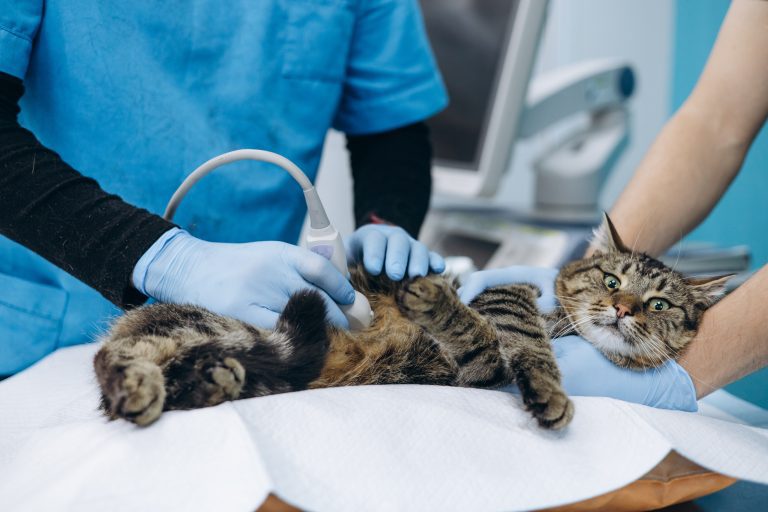
A dog or cat may need an ultrasound instead of an X-ray when the veterinarian needs a closer look at soft tissue organs, abdominal fluid, masses, or internal structures that do not show clearly on X-rays.
X-rays are often better for bones, lungs, certain foreign objects, and broad body structure. Ultrasound is often better for organs and soft tissue detail.
What Symptoms May Lead To An Ultrasound Recommendation?
A veterinarian may recommend ultrasound when a pet has:
- Ongoing vomiting or diarrhea
- Abdominal pain
- Weight loss
- Appetite loss
- Urinary problems
- Suspected internal fluid
- Abdominal swelling
- Possible masses
- Pregnancy concerns
- Abnormal bloodwork
- Symptoms that keep returning without a clear diagnosis
Ultrasound can be especially helpful when a pet’s symptoms point toward an abdominal or internal organ concern.
Why Can Ultrasound Be Helpful During Urgent Care?
During an urgent care visit, ultrasound may help guide treatment decisions. It can help us determine whether a pet needs stabilization, additional testing, monitoring, surgery, or referral to a specialty or 24/7 emergency facility.
It can also help pet owners understand what may be happening inside the body. When you are worried about your pet, having more information can make the next step feel clearer.
What Symptoms May Mean Your Pet Needs More Than Basic Diagnostics?
Some symptoms may start with basic diagnostics. Others may require deeper testing if they are severe, repeated, worsening, or unexplained.
A single mild symptom may not always mean advanced imaging is needed. However, symptoms that continue, return, or happen with other concerning signs should be evaluated promptly.
What Persistent Or Unexplained Symptoms Should Pet Owners Watch For?
Your pet may need more than basic diagnostics if they have:
- Vomiting or diarrhea that keeps coming back
- Weight loss
- Appetite changes
- Lethargy
- Coughing
- Breathing difficulty
- Limping
- Pain
- Swelling
- Abnormal bloodwork
- Urinary changes
- A mass or growth
- Symptoms that improve and then return
When symptoms keep coming back, the first tests may only tell part of the story. Additional diagnostics can help us look for conditions that are early, intermittent, hidden in soft tissue, or harder to detect.
What Urgent Symptoms Need Prompt Veterinary Attention?
Some symptoms should not wait. Please seek urgent veterinary care if your pet has:
- Collapse or fainting
- Seizures
- Severe trauma
- Heat stroke
- Allergic reactions
- Suspected internal bleeding
- Difficulty breathing
- Severe abdominal pain
- Possible fracture
- Suspected toxin exposure
- Sudden weakness
- Repeated vomiting
- Pale gums
- Severe pain
At Summit Veterinary Urgent Care, pets are triaged based on urgency. This means the most critical patients are treated first.
What Happens If Your Pet’s Symptoms Keep Coming Back But The Tests Look Normal?
If your pet’s symptoms keep coming back but the first tests look normal, it does not always mean nothing is wrong. Some conditions are hard to find in the early stages. Others may come and go. Some problems may involve soft tissue, internal organs, neurologic changes, or subtle disease patterns that are not obvious on the first round of testing.
In these cases, your veterinarian may recommend repeat testing, additional bloodwork, imaging, specialist review, or referral.
Does Your Pet Need Bloodwork Before Advanced Imaging?
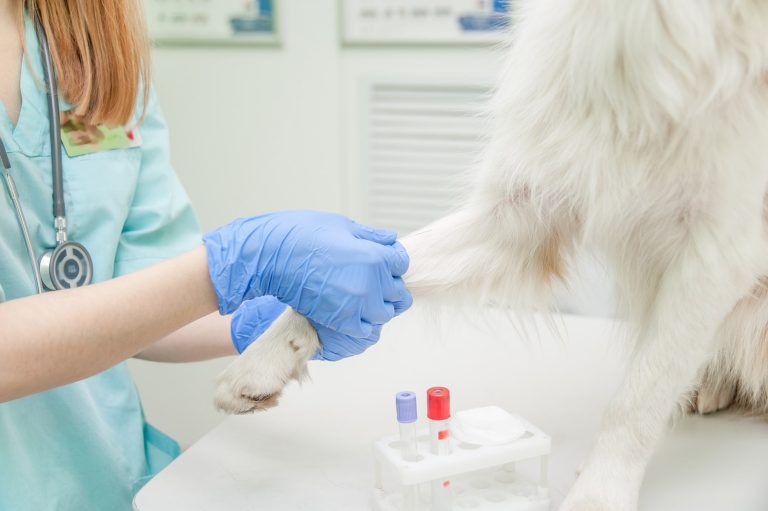
Your pet may need bloodwork before advanced imaging, especially if sedation, anesthesia, illness, dehydration, infection, organ function, or surgical planning are concerns.
Bloodwork helps us understand your pet’s overall health before moving forward with certain tests or procedures. This is especially important for senior pets, very sick pets, pets with chronic conditions, and pets that may need sedation.
What Can Bloodwork Show Before Imaging?
Bloodwork may help evaluate:
- Red blood cell changes
- White blood cell changes
- Dehydration
- Infection or inflammation
- Liver values
- Kidney values
- Blood sugar changes
- Electrolyte concerns
- Clotting concerns when relevant
How Does Advanced Imaging Help Veterinarians Plan Treatment Or Surgery?
Advanced imaging can help veterinarians understand the size, location, depth, and severity of a problem before treatment or surgery. It can also help determine whether a pet needs urgent care treatment, stabilization, surgery, referral, or continued monitoring.
Better information can lead to better planning.
How Can Imaging Help Identify The Cause Of Symptoms?
Advanced imaging may help identify:
- Organ disease
- Masses
- Fluid in the abdomen or chest
- Internal injuries
- Soft tissue problems
- Foreign objects
- Neurologic concerns
- Complex trauma
- Changes that are not clear on basic diagnostics
For pet owners, imaging can also make the situation easier to understand. Seeing where a problem is located can help explain why a certain treatment or referral is recommended.
What Should You Expect During An Urgent Diagnostic Visit At Summit Veterinary Urgent Care?
An urgent diagnostic visit begins with triage and assessment. Our team evaluates your pet’s condition and determines how quickly they need to be seen. Pets with critical concerns are treated first.
Walk-ins are welcome, and no appointment is necessary.
What Happens During Walk-In Triage And Emergency Assessment?
When you arrive, our team will gather important information about your pet’s symptoms, medical history, and current condition. We may ask when the symptoms started, whether they are getting worse, whether your pet may have eaten something unusual, and whether there has been trauma, toxin exposure, vomiting, diarrhea, collapse, breathing difficulty, or pain.
From there, Dr. Smith and our team may recommend an exam, basic diagnostics, treatment, imaging, stabilization, or referral based on your pet’s needs.
Why Choose Summit Veterinary Urgent Care For Your Pet’s Diagnostics?
We understand that you may be worried, tired, and unsure what to do next. Our role is to help you get answers and guide your pet toward appropriate care.
- Walk-ins are welcome: No appointment is necessary, making it easier to get help when your pet is sick, injured, or acting differently.
- Urgent triage helps prioritize critical pets: Our team evaluates patients based on the urgency of their condition, so pets with the most serious needs are treated first.
- Emergency and critical care experience matters: Dr. Lauren Smith has focused on emergency and critical care since graduating in 2020, helping guide urgent decisions for pets with illness, injury, trauma, allergic reactions, seizures, heat stroke, fractures, and other serious concerns.
- Mixed animal urgent care is available: Summit Veterinary Urgent Care provides care for dogs, cats, small mammals, small ruminants, and birds to a limited extent, making our clinic a valuable resource for families and farms in North Alabama.
- Diagnostics are explained clearly: Our team helps you understand what may be happening with your pet, why a test may be recommended, and what options may be available.
- Compassionate support during stressful visits: We know urgent veterinary visits can feel overwhelming. Our team is here to provide guidance, transparency, and thoughtful care when your pet needs help.
Visit Summit Veterinary Urgent Care For Pet Diagnostics In Decatur, AL
Basic diagnostics are often the first step when your pet is sick, injured, or acting differently. Advanced imaging may be needed when symptoms are persistent, severe, unexplained, or related to internal organs, soft tissue, trauma, neurologic signs, or surgical planning.
If your pet is sick, injured, or showing symptoms that keep coming back, Summit Veterinary Urgent Care is here to help. Walk-ins are welcome, and our team is ready to help pet owners in Decatur, Priceville, Huntsville, and the surrounding North Alabama area.