When your pet is hurt or sick and your family vet is closed, you do not have time to research a clinic from scratch. The best questions to ask an urgent care veterinarian come down to a few things: their hours, the emergencies they can actually handle, whether a licensed vet is on-site, what equipment they have, how they transfer serious cases, what it costs, whether they take walk-ins, and how they share records with your regular vet. Knowing the answers before an emergency happens helps you act fast and calmly when it counts.
At Summit Veterinary Urgent Care, we field these questions from worried pet owners every week at our clinic on the Priceville and Decatur line in North Alabama. Here is a plain-language guide to the questions worth asking any urgent care clinic, and how we answer them ourselves.
This Article Will Address
- The hours a good urgent care clinic should keep
- Which emergencies and conditions a clinic can treat in-house
- Whether a licensed veterinarian is always on-site
- The diagnostic and treatment equipment to look for
- How clinics handle transfers to a 24/7 hospital
- What visits cost and what payment options exist
- Walk-in policies and typical wait times
- How your records get back to your primary veterinarian
What Are the Clinic’s Hours, and Do They Cover Evenings, Weekends, and Holidays?
Ask about hours first, because a clinic is only useful to you when it is open. Many full-service animal hospitals in the area keep weekday business hours and close evenings and weekends, which is exactly when a lot of pet emergencies seem to happen. A true urgent care clinic should fill those gaps.
Our doors are open Thursday through Sunday from noon to 10:00 p.m., which covers the after-hours and weekend window when your regular vet has usually gone home. If a clinic tells you it only handles urgent cases during normal weekday hours, that is worth knowing before you need them.
What Emergencies and Conditions Can the Clinic Treat On-Site?
Ask exactly which problems a clinic can handle in-house, because not every facility treats every issue or every species. Some clinics see only dogs and cats. Others stabilize a pet and send you elsewhere for anything beyond the basics.
Our team treats a wide mix of animals, including dogs, cats, small mammals like ferrets, guinea pigs, and chinchillas, small ruminants like goats and sheep, and birds on a limited basis. We handle emergency situations such as trauma, heat stroke, seizures, allergic reactions, fractures, wounds from animal fights, and vomiting or diarrhea. If you are not sure whether your pet’s problem qualifies, calling ahead is always the right move.
Is a Licensed Veterinarian on the Premises During All Open Hours?
Yes, a licensed veterinarian should be physically present the entire time an urgent care clinic is open, and you should confirm it. A pet in distress needs a doctor who can diagnose and prescribe, not just support staff who take vitals and wait for guidance.
Every patient we see is examined by Dr. Lauren Smith, who has focused on emergency and critical care since graduating in 2020. When we are open, a veterinarian is here, working alongside trained nurses who triage and monitor your pet from check-in to discharge.
What Diagnostic and Treatment Equipment Is Available?
Ask what the clinic can do on-site, because good decisions in an emergency depend on fast answers. Imaging and lab work done in the building mean a diagnosis in minutes instead of a wait for outside results. A clinic without these tools may have to send you somewhere else for the very tests your pet needs.
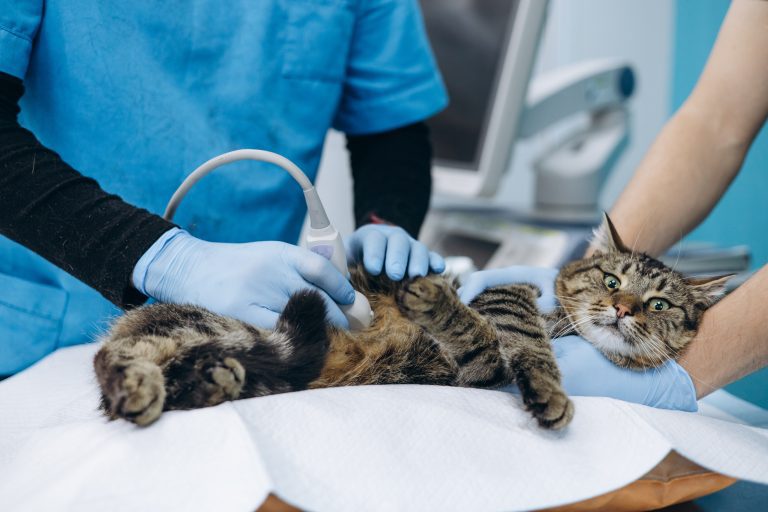
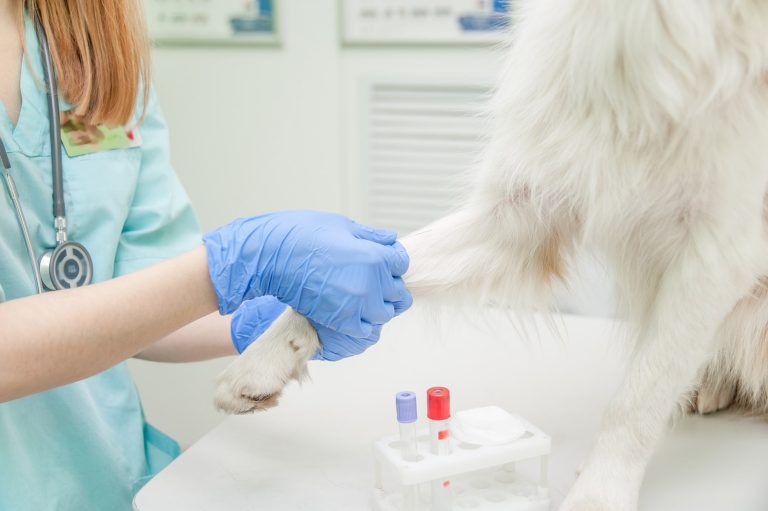
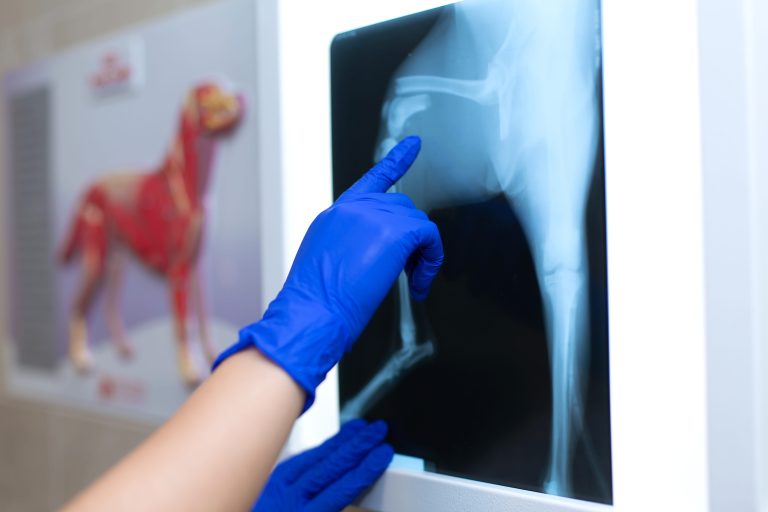
Our clinic combines modern equipment with hands-on emergency experience across the urgent care services we provide. We offer digital radiology for fast, detailed X-rays, ultrasound for a closer look at internal organs, and an in-house diagnostic laboratory so bloodwork and other tests can be run and read quickly during your visit.
How Does the Clinic Handle Transfers to a Full Emergency or Specialty Hospital?
A responsible urgent care clinic will tell you upfront how it handles cases that need more than it can offer. The main difference between urgent care and a full emergency hospital is hospitalization and around-the-clock care. Urgent care stabilizes; a 24/7 hospital admits and monitors overnight.
We stabilize every case that comes through our doors. If your pet needs continued hospitalization or overnight monitoring, we get them stable and then refer you to a 24/7 emergency facility that can provide that level of care. You should never be left guessing about what happens next, and we make that handoff clear.
What Are the Costs, and Are Upfront Estimates or Payment Options Available?
Ask about cost and payment before treatment begins, and expect a clear answer. A trustworthy clinic explains its recommendations and gives you options that fit your budget rather than surprising you at checkout.
Payment is due at the time of service at our clinic, and we walk you through our recommendations so you understand your choices within your means. To help spread out the cost of unexpected care, we work with Scratch Pay and CareCredit as alternative payment options. If finances are a concern, tell us, because we would rather find a workable path than have you delay care your pet needs.
Do You Need an Appointment, or Are Walk-Ins Accepted, and What Are Typical Wait Times?
Walk-ins should be welcome at a true urgent care clinic, and no appointment should be required. That said, ask how the clinic decides who is seen first, because a good one prioritizes by how serious each case is, not simply by who arrived first.
You do not need an appointment to see us, and walk-ins are always welcome. When you arrive, a nurse triages your pet to make sure they are stable, then sorts patients into categories based on urgency. Critical cases, like trauma, heat stroke, seizures, or allergic reactions, are always seen first, which can affect wait times. We still work to keep every visit as efficient as possible.
How Does the Clinic Share Records With Your Primary Veterinarian After a Visit?
Ask how a clinic communicates with your regular vet, because urgent care is meant to work alongside your family veterinarian, not replace them. Clear record-sharing keeps your pet’s ongoing care connected and avoids gaps or repeated tests.
We keep communication open even after your pet is discharged, and we encourage you to call with any follow-up questions. Your family veterinarian remains your source for vaccines, preventative care, and ongoing follow-up, so we make sure the details of your urgent visit can be passed along to support that continued relationship.
Bring Your Pet to Summit Veterinary Urgent Care in Decatur, AL
When your pet needs help and your regular vet is closed, you deserve a clinic that answers all of these questions with confidence. Summit Veterinary Urgent Care is open Thursday through Sunday, welcomes walk-ins with no appointment needed, and treats a wide range of species with compassion and modern care in Decatur, AL.
If your pet is showing signs of distress or you are simply unsure how urgent things are, contact our team or give us a call at 256-937-7776, and we will guide you on the next steps.