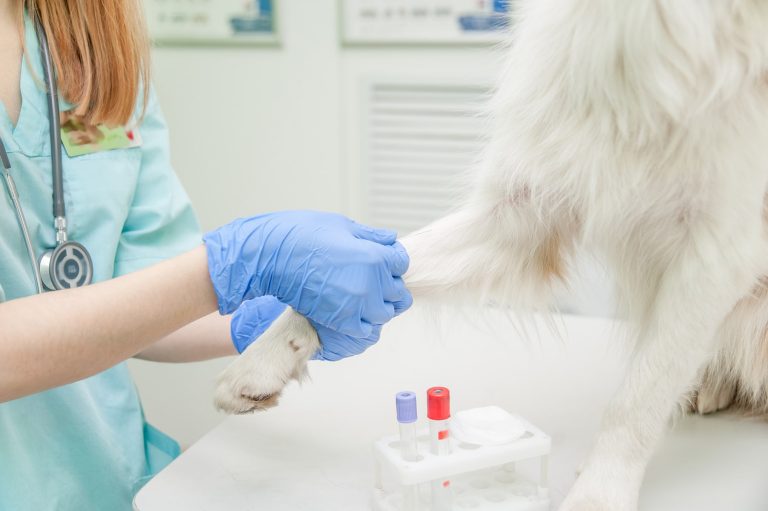
When your dog starts limping after a fall or your cat stops eating on a Saturday night, cost is one of the first worries that comes to mind. Here is the short answer: most urgent care visits start with an exam fee of roughly $100 to $300, and the total often lands in the few-hundred-dollar range once basic tests are added, while a stay at a 24-hour emergency hospital can climb into the thousands.
At Summit Veterinary Urgent Care in Decatur, AL, we believe you deserve to understand those numbers before a crisis, so this guide walks through what drives the bill and how to plan for it.
This Article Will Address
- Typical price ranges for an urgent care visit
- Why after-hours care is priced higher than a routine checkup
- What the exam fee covers and what diagnostics add
- How urgent care compares with a 24-hour hospital
- Insurance, payment options, and getting an estimate first
What Is the Average Cost of an Urgent Care Vet Visit?
A typical urgent care visit costs somewhere between $150 and $600 in total, depending on what your pet needs. The exam itself generally runs $100 to $300 nationally, and everything after that depends on which tests and treatments make sense for your pet’s symptoms. A simple ear infection or mild upset stomach may end with the exam and a medication or two. A limping dog who needs X-rays, or a cat with a bite wound that needs sedation and cleaning, will land higher.
Here is roughly how visits tend to build:
- Minor problem: exam plus take-home medication
- Moderate problem: exam, X-rays or bloodwork, and treatment such as wound care
- Serious problem: exam, several diagnostics, IV fluids, pain control, and stabilization
Why Does Emergency Vet Care Cost More Than a Regular Vet Visit?
After-hours care costs more because the clinic has to be staffed, equipped, and ready for serious cases at times when most practices are closed. Your regular vet books appointments days in advance and can plan the schedule around predictable wellness visits. An urgent care team has to be ready for whatever comes through the door, from a dog hit by a car to a goat with bloat, with imaging, lab equipment, and trained nurses on hand for the whole shift. Emergency veterinarians and credentialed technicians are also in short supply nationwide, which raises staffing costs and wait times at many round-the-clock hospitals. Our clinic was built around a different model: after-hours urgent care without the overhead of an overnight intensive care unit, which helps keep care more accessible for families who need help today.
What Fees Are Included in an Emergency or Urgent Care Exam?
The exam fee covers the veterinarian’s hands-on assessment of your pet, not the tests or treatment that follow. At our clinic, every visit starts with triage, where a nurse gathers vital signs and a medical history so the most critical patients are seen first. The exam typically includes:
- Temperature, heart rate, breathing rate, and gum color
- A nose-to-tail physical exam by the veterinarian
- A conversation about symptoms, history, and current medications
- A recommended plan for diagnostics or treatment
Anything beyond that, such as X-rays, lab work, pain medication, sedation, or IV fluids, is listed separately so you can see exactly what you are paying for.
How Much Do Diagnostic Tests Like X-Rays and Bloodwork Cost at an Urgent Care Vet?
Bloodwork usually costs about $80 to $250, and X-rays or ultrasound typically run $150 to $600, depending on how many views or body areas are needed. These tests are often the largest part of the bill after the exam, but they are also what turns guesswork into a real diagnosis. Our in-house diagnostic laboratory returns results the same day, and our digital X-ray system produces clear images within minutes, so you are not waiting overnight for answers. Your veterinarian will explain why each test is recommended and which ones can safely wait if budget is a concern.
Is Urgent Care Less Expensive Than a 24-Hour Animal ER?
Yes, for most problems that are not life-threatening, urgent care is less expensive than a 24-hour animal ER. Full emergency hospitals carry the cost of intensive care units, surgical suites, and overnight staffing, and those costs show up in their fees. Overnight hospitalization alone can run $600 to $3,500 or more. Urgent care fills the middle ground: more capability than a standard daytime appointment, without the ICU overhead.
Our emergency and urgent care team treats trauma, seizures, allergic reactions, heat stroke, and fractures, then stabilizes and refers to a 24/7 facility only when a pet truly needs hospitalization. Shorter waits are another quiet savings, since a pet who is treated sooner often needs less intensive care later.
Does Pet Insurance Cover Emergency and Urgent Vet Visits?
Most accident and illness pet insurance plans do cover emergency and urgent care visits, but they usually work by reimbursement. You pay the clinic at the time of service, submit the invoice, and the insurer pays you back based on your deductible and reimbursement rate. When you review your policy, check:
- Whether exam fees are covered or only diagnostics and treatment
- Your deductible and reimbursement percentage
- How the plan defines pre-existing conditions
- Waiting periods that apply to new policies
The American Veterinary Medical Association recommends buying coverage while your pet is healthy, since conditions that show up before enrollment are often excluded. We are happy to provide itemized invoices and medical records to support your claim.
What Payment Options Are Available if I Can’t Afford an Emergency Vet Bill?
If you can’t cover an emergency vet bill all at once, you still have options, and the most important step is telling the veterinary team early. Many clinics accept third-party veterinary financing, and several nonprofit groups help families in a pinch. Common options include:
- Veterinary financing programs such as CareCredit or Scratchpay
- Nonprofit assistance groups such as RedRover Relief and The Pet Fund
- Breed-specific rescue funds for certain dogs and cats
- Treating in stages, starting with what is most urgent
Please call us at 256-937-7776 to ask which payment methods we currently accept. Money is a hard subject during a stressful moment, but our team will never judge you for asking. We would much rather build a plan together than see you delay care.
Can I Get a Cost Estimate Before My Pet Is Treated?
Yes. You can and should ask for an estimate before treatment begins, and at our clinic we walk you through the recommended plan and expected costs before we start. Once triage and the exam are complete, Dr. Lauren Smith will explain what she found, what she recommends, and what each step costs. If the number is more than you planned for, say so. Many plans can be adjusted by handling the most critical care first. The one exception is a true life-or-death situation, where we may ask for quick consent to stabilize your pet while we talk through the rest.
Get Clear, Upfront Urgent Care for Your Pet Today
When something feels wrong, you should not have to choose between your pet’s health and a surprise bill. Summit Veterinary Urgent Care in Decatur, AL, is open Thursday through Sunday from noon to 10 p.m., and walk-ins are always welcome. Browse our full list of urgent care services, contact our team with questions, or call 256-937-7776 and we will help you decide on the next step.