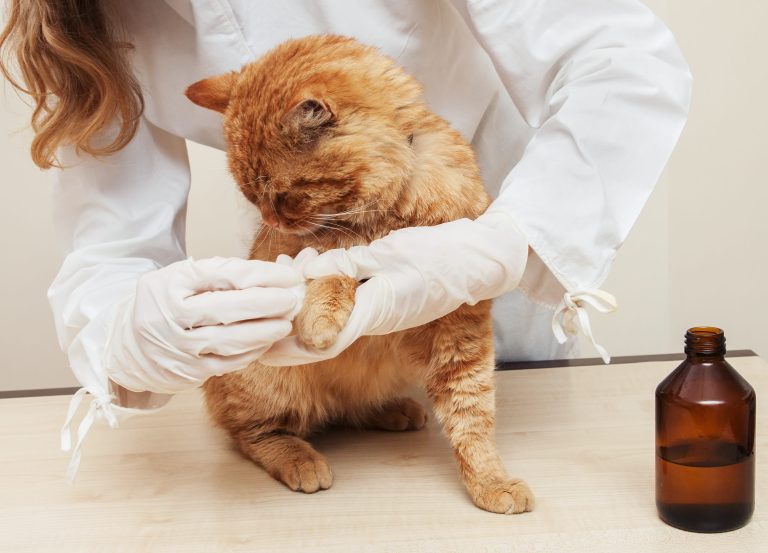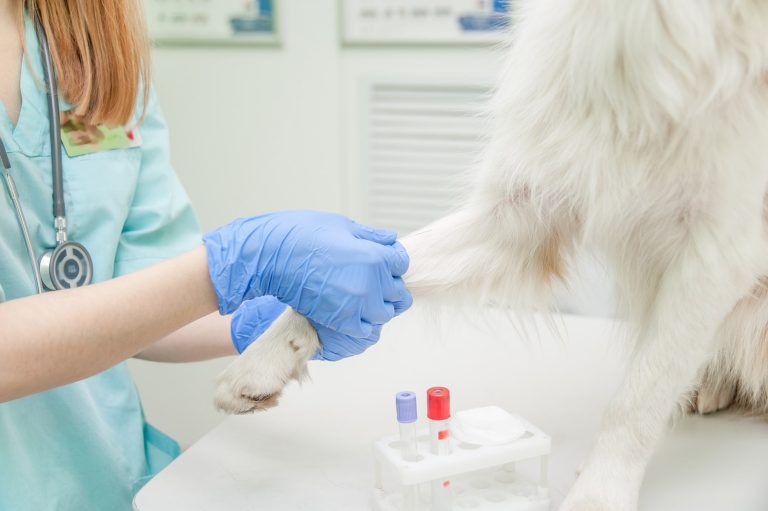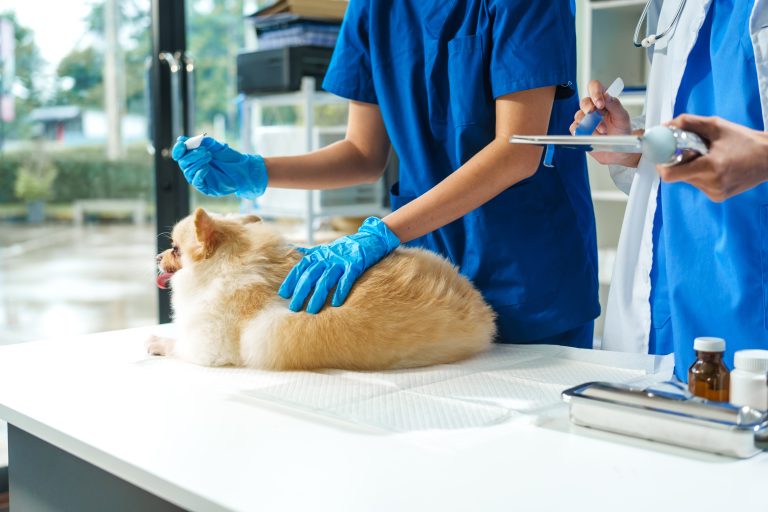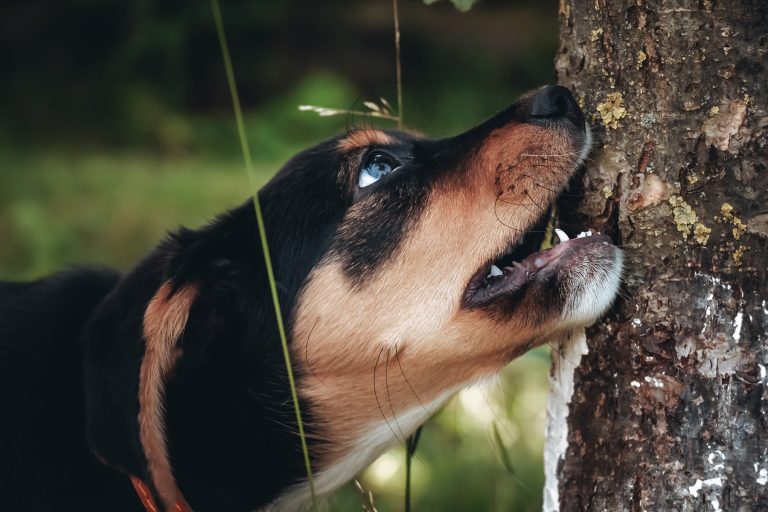
Pet-proofing your home means taking proactive steps to remove or secure everyday household hazards that could put your pet at risk. Many household pet emergencies are preventable with simple safety measures, especially when pets are curious, bored, or left unsupervised. At Summit Veterinary Urgent Care, we frequently treat preventable injuries and toxic exposures that occur inside the home.
Our team helps pet owners in Decatur, Priceville, Huntsville, and surrounding North Alabama communities prevent emergencies and respond quickly when urgent care is needed. This guide focuses on common household hazards rather than natural disasters and provides practical steps you can take today. We also encourage pet owners to save our phone number in case urgent guidance is needed.
This Article Will Address
- How to pet-proof your home to prevent emergencies
- Common household dangers for pets
- Ways to prevent toxic ingestion and choking hazards
- Foods and plants that can be dangerous to pets
- When to contact a veterinarian for a household emergency
- Why Summit Veterinary Urgent Care is a trusted urgent care provider in Decatur, AL
What Does It Mean to Pet-Proof Your Home?
Pet-proofing your home means proactively identifying and securing items that could cause harm if chewed, swallowed, spilled, or accessed by your pet. This includes removing toxic substances, blocking off unsafe areas, and choosing pet-safe alternatives when possible.
Pet-proofing reduces the risk of:
- Poisoning from medications, plants, or chemicals
- Choking or intestinal blockages from foreign objects
- Burns or electrical injuries
- Falls and other preventable injuries
Prevention is especially important when pets are home alone, overnight, or during busy routines when supervision is limited. Homes that are properly pet-proofed often experience fewer urgent veterinary visits and improved overall safety for pets.
What Are the Most Common Household Dangers for Pets?
Many of the emergencies we see in urgent care settings are caused by common household items. Frequent dangers include:
- Electrical cords and outlets, which can cause burns or electric shock when chewed
- Medications and supplements, including over-the-counter and prescription drugs
- Cleaning products and chemicals, such as detergents, disinfectants, and antifreeze
- Trash, fod wrappers, and small objects, which may cause choking or intestinal blockage
- Open toilets, cabinets, and doors, which allow access to unsafe items
These hazards are often within reach and can cause serious injury if accessed even briefly.
How Can I Prevent My Pet From Ingesting Toxic Household Items?
Preventing toxic ingestion starts with proper storage and routine awareness. Pet owners can reduce risk by:
- Keeping medications, vitamins, cleaners, and chemicals in locked cabinets
- Using pet-safe cleaning products when available
- Avoiding leaving items on counters, nightstands, or low shelves
- Securing trash in containers with locking lids
- Performing regular safety checks in commonly used rooms
Supervision and consistent routines play a key role in preventing accidental exposure.
What Foods Should I Keep Out of Reach to Protect My Dog or Cat?
Many human foods are toxic to pets and should always be kept out of reach. Common dangerous foods include:
- Chocolate
- Grapes and raisins
- Xylitol-containing products such as gum and sugar-free candy
- Onions and garlic
- Alcohol and caffeine
Even small amounts can cause serious illness. Educating family members and guests about food safety is an important part of preventing veterinary emergencies.
How Do I Prevent Choking Hazards for Pets Indoors?
Choking hazards are a frequent cause of urgent veterinary visits, especially for young or curious pets. To reduce risk:
- Keep socks, hair ties, toys, and children’s items off the floor
- Use toys designed specifically for your pet’s size and chewing habits
- Inspect toys regularly and discard damaged items
- Keep low surfaces clear of small objects
Puppies, kittens, and pets that explore with their mouths are at higher risk for choking or intestinal blockages.
Are Common Houseplants Dangerous for Pets?
Yes, many common houseplants are toxic to pets. Examples include lilies, pothos, philodendrons, and sago palm. Ingestion can cause symptoms ranging from mild irritation to life-threatening illness.
Pet owners should research plants before bringing them into the home, place potentially harmful plants out of reach, or choose pet-safe alternatives whenever possible.
What Should I Do If My Pet Gets Into Something Dangerous at Home?
If your pet accesses a potentially harmful item, staying calm is important. If it is safe to do so, remove access to the hazard. Do not induce vomiting unless directed by a veterinarian.
Contact a veterinary professional immediately for guidance. Prompt action can reduce complications and improve outcomes, even if symptoms are not yet visible.
When Should I Contact a Veterinarian for a Household Pet Emergency?
You should contact a veterinarian right away if your pet shows any of the following signs:
- Ingestion of toxins or foreign objects
- Difficulty breathing
- Seizures or collapse
- Severe vomiting or diarrhea
- Sudden pain or injury
Why Choose Summit Veterinary Urgent Care for Your Pet’s Emergency?
Summit Veterinary Urgent Care provides after-hours urgent care without the need for appointments, offering peace of mind when emergencies happen unexpectedly. Our clinic treats dogs, cats, small mammals, and small ruminants, making us a valuable resource for pet owners with diverse species.
Led by Dr. Smith, whose background is focused on emergency and critical care, our team prioritizes fear-free handling, clear communication, and efficient treatment. Our triage-based approach ensures that pets in the most urgent need are treated first, with stabilization and referral when hospitalization is required.
Helping Protect Pets and Families in Decatur, AL
Pet-proofing your home is one of the most effective ways to reduce the risk of preventable emergencies. Even in well-prepared homes, emergencies can still occur, and having a trusted urgent care provider matters.
If your pet needs urgent care, call 256-937-7776 or visit us at 2941 Point Mallard Parkway Suite D, Decatur, AL. We proudly serve Decatur, Priceville, Huntsville, and surrounding North Alabama communities with compassionate, efficient urgent veterinary care.
Sources
- American Animal Hospital Association (AAHA)
- ASPCA Animal Poison Control
- Pet Poison Helpline