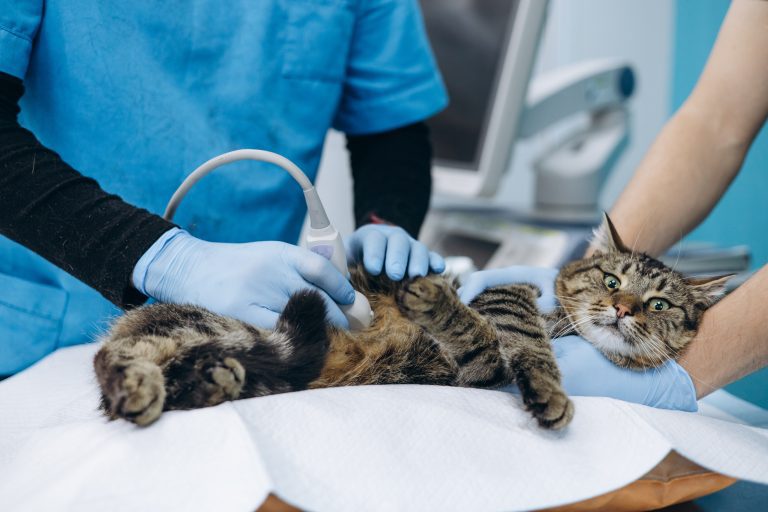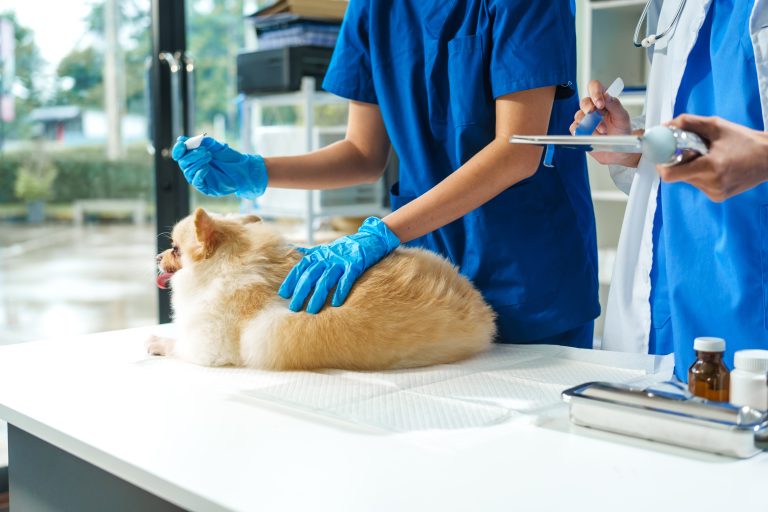
When a pet is sick or injured, waiting to seek care can allow a manageable problem to quickly become life-threatening. Many veterinary emergencies progress rapidly, especially conditions involving breathing, internal bleeding, toxin exposure, or severe pain. Early emergency veterinary care allows our team to diagnose and stabilize your pet before complications develop, thereby improving comfort, reducing recovery time, and improving overall outcomes.
At Summit Veterinary Urgent Care, we provide after-hours urgent veterinary care for pets in Decatur and across North Alabama. Our role is to step in when your regular veterinarian is unavailable and your pet needs timely medical attention.
This Article Will Address:
- Why delaying emergency veterinary care can put pets at serious risk
- How early emergency treatment improves medical outcomes
- The dangers of waiting to seek emergency care for dogs and cats
- How to recognize when a pet needs emergency veterinary care right away
- Emergency symptoms that should never be ignored
- What to expect during an emergency vet visit
- Why Summit Veterinary Urgent Care is a trusted choice for urgent pet care in North Alabama
How Does Early Emergency Veterinary Care Improve Outcomes?
Seeking emergency veterinary care as soon as symptoms appear can make a meaningful difference in your pet’s recovery.
Early intervention allows for:
- Faster diagnosis and stabilization before conditions worsen
- Reduced risk of complications such as shock, infection, or organ damage
- More effective pain management and supportive care
- Lower likelihood of long-term health consequences
By addressing emergencies promptly, we are often able to provide simpler, less invasive treatments while giving pets the best chance for a positive outcome.
What Are the Risks of Waiting to Take My Dog to an Emergency Vet?
Dogs are often active and resilient, which can make it difficult to recognize the severity of an emergency right away. Waiting too long can increase the risk of serious complications.
Delaying care for dogs can lead to:
- Shock or internal bleeding after trauma
- Heat stroke or dehydration during warmer months
- Gastric dilatation-volvulus (GDV or bloat), which can progress rapidly
- Increased pain and tissue damage that complicates treatment
Dogs frequently hide pain, so visible symptoms may appear only after a condition has become advanced.
What Are the Risks of Waiting to Take My Cat to an Emergency Vet?
Cats are especially skilled at masking illness, which often causes owners to underestimate the urgency of their condition. Even subtle changes in behavior can indicate a medical emergency.
Waiting to seek emergency care for cats may result in:
- Life-threatening urinary blockages, especially in male cats
- Rapid decline with respiratory distress
- Severe dehydration or organ failure
- Limited treatment options once symptoms become obvious
Prompt evaluation is essential for cats, as delays can quickly become critical.
How Do I Know If My Pet Needs Emergency Care Right Away?
If you are unsure whether your pet’s condition requires emergency care, it is always safer to seek guidance sooner rather than later. Emergency situations are not always dramatic, and early signs can be easy to miss.
At Summit Veterinary Urgent Care, we use a triage system that prioritizes pets based on the severity of their condition. Walk-ins are welcome, and pet owners are encouraged to call 256-937-7776 for guidance if they are uncertain about next steps.
What Emergency Symptoms Should Never Be Ignored in Pets?
Certain symptoms indicate that a pet needs immediate veterinary attention. If your pet shows any of the following signs, emergency care should not be delayed:
- Trouble breathing or open-mouth breathing
- Seizures or loss of consciousness
- Collapse, weakness, or unresponsiveness
- Severe or ongoing vomiting or diarrhea
- A bloated or distended abdomen
- Trauma, fractures, or uncontrolled bleeding
- Sudden pain, crying, or vocalization
- Ingestion of toxins, medications, or foreign objects
These symptoms often worsen quickly without medical intervention.
What Happens During an Emergency Vet Visit?
Understanding what to expect during an emergency visit can help reduce stress for both pets and owners.
When you arrive at our clinic:
- Pets are evaluated through a triage process to determine urgency
- Critical patients are treated first to stabilize life-threatening conditions
- Clear communication is provided about findings and treatment options
- Owners are encouraged to remain with their pets when possible
- Patients are stabilized and referred to a 24/7 emergency facility if hospitalization is required
Our fear-free, low-stress environment is designed to keep pets as comfortable as possible throughout their visit.
Why Choose Summit Veterinary Urgent Care for Your Pet’s Emergency Treatment?
Summit Veterinary Urgent Care offers a trusted solution for after-hours and urgent veterinary needs in Decatur, Priceville, Huntsville, and the surrounding North Alabama area.
Pet owners choose our clinic because we provide:
- After-hours urgent pet care without prolonged emergency room wait times
- Treatment for dogs, cats, small mammals, small ruminants, and limited avian cases
- A triage-based approach that prioritizes the most critical patients
- An open-concept clinic that allows owners to stay with their pets when possible
- Care led by Dr. Lauren Smith, whose background focuses on emergency and critical care
Our goal is to deliver efficient, compassionate care when your pet needs it most.
Do Not Wait When Your Pet Needs Emergency Care
Delaying emergency veterinary care can place your pet at unnecessary risk and limit treatment options. If your pet is sick, injured, or showing concerning symptoms, early care can make a significant difference in comfort and recovery.
If your pet needs urgent medical attention, contact Summit Veterinary Urgent Care in Decatur, AL at 256-937-7776. Walk-ins are welcome, and our team is here to provide compassionate emergency care when it matters most.
Sources
- American Veterinary Medical Association, Emergency Care for Pets
- Veterinary Emergency and Critical Care Society
- ASPCA Animal Poison Control and Emergency Guidelines