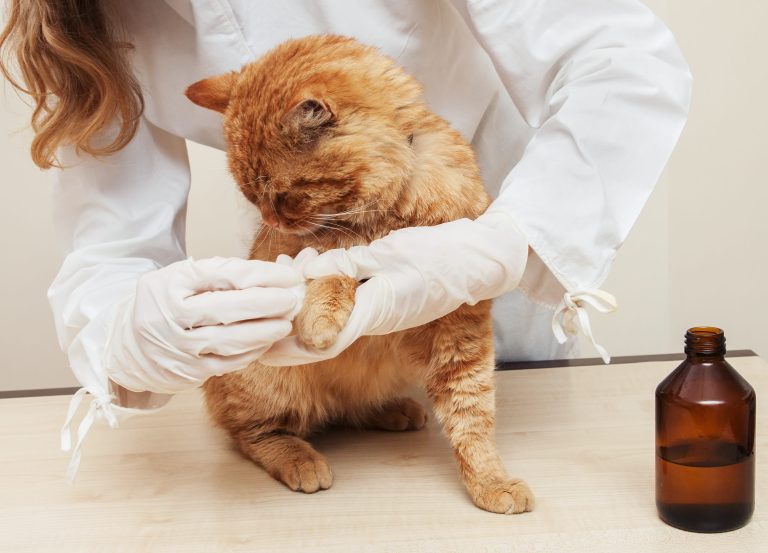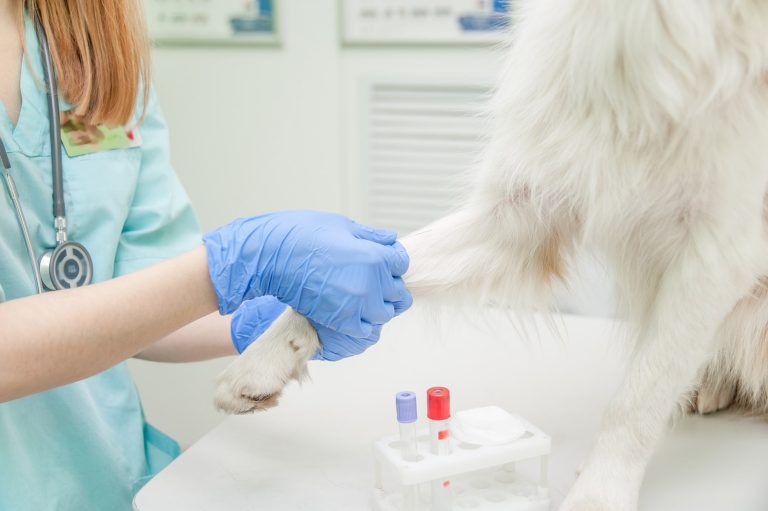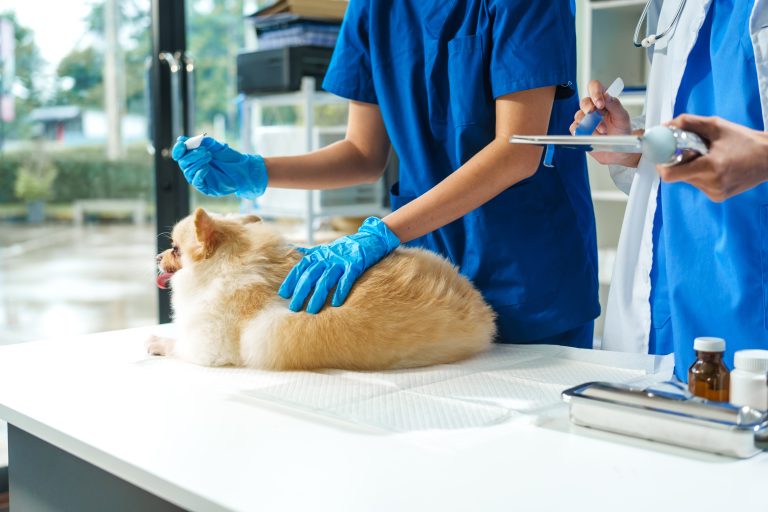
At Summit Veterinary Urgent Care, we understand how stressful it is when your pet suddenly becomes sick or injured. Our urgent care setting in Decatur provides after-hours access to diagnostic tools that help your pet receive timely, compassionate medical attention. One of the most valuable tools we use is veterinary ultrasound, which allows our team to quickly evaluate internal structures and uncover the cause of your pet’s symptoms.
Since we treat dogs, cats, small mammals, and even small ruminants, this technology helps us care for a wide range of patients when answers matter most.
This Article Will Address:
- What is a veterinary ultrasound?
- How ultrasound improves diagnostic accuracy?
- What conditions ultrasound can detect?
- Why your vet may recommend an ultrasound?
- What to expect during the appointment
- Safety of veterinary ultrasound
- Whether sedation is needed
- Why Summit Veterinary Urgent Care is the best choice for urgent ultrasound services?
What Is a Veterinary Ultrasound?
A veterinary ultrasound uses sound waves instead of radiation to create real-time images of your pet’s internal organs, tissues, and blood flow. This allows us to evaluate the abdomen, chest, and other structures with clarity and precision. Because ultrasound is safe for dogs, cats, small mammals, and small ruminants, it is an essential diagnostic tool when symptoms are unclear or when rapid assessment is needed. In an urgent care environment, this level of detail helps us make informed decisions without delay.
How Does Veterinary Ultrasound Improve the Accuracy of My Pet’s Diagnosis?
Ultrasound improves diagnostic accuracy by giving our team a clear view inside your pet’s body. Real-time imaging allows us to detect subtle changes that may not appear on X-rays alone. Ultrasound helps us distinguish between inflammation, fluid buildup, foreign material, or abnormal tissue growth. To create a complete diagnostic picture, ultrasound findings are often combined with X-rays, bloodwork, and the results of your pet’s triage assessment. This integrative approach helps us provide the most accurate and timely care possible.
What Conditions Can a Veterinary Ultrasound Detect in Dogs and Cats?
Ultrasound can help diagnose many internal issues, including:
- Abdominal pain or swelling
- Bladder stones or urinary tract concerns
- Internal masses or tumors
- Liver, spleen, or kidney disease
- Gastrointestinal blockages
- Internal bleeding or trauma
- Pregnancy, when needed
- Fluid buildup in the chest or abdomen
Why Would My Vet Recommend an Ultrasound for My Pet?
An ultrasound may be recommended when your pet is experiencing sudden illness or unexplained symptoms. These include persistent vomiting, diarrhea, lethargy, or abnormal bloodwork results. Trauma or toxin exposure can also warrant imaging to rule out internal injuries. Pets who are having difficulty urinating or who are at risk for urinary obstruction often benefit from an immediate ultrasound. During triage, ultrasound helps us determine the severity of symptoms and guides the next steps for treatment or stabilization.
What to Expect During Your Pet’s Ultrasound Appointment
Your visit begins with a quick triage evaluation to determine the urgency of your pet’s condition. If an ultrasound is recommended, a small area of fur may be shaved to allow for clear imaging. A water-based gel is applied to the skin, and a handheld probe is moved gently across the area being examined. Most pets lie comfortably on a padded table, and our clinic’s open-concept design allows many owners to stay with their pets for reassurance. After the ultrasound is complete, our team reviews the results promptly so that treatment can begin without unnecessary delay.
Is a Veterinary Ultrasound Safe for Dogs and Cats?
Ultrasound is considered one of the safest diagnostic tools available. Since there is no radiation, it is safe for young pets, seniors, pregnant animals, and pets with fragile health conditions. The noninvasive nature of ultrasound makes it especially valuable in emergencies when rapid information is needed without increasing risk.
Does a Pet Ultrasound Require Anesthesia or Sedation?
Most ultrasounds do not require any form of anesthesia. Sedation is only used when a pet is highly stressed, painful, or unable to stay still. At Summit Veterinary Urgent Care, our fear-free approach focuses on minimizing stress and keeping pets comfortable, which allows most patients to complete the procedure without medication.
Why Choose Summit Veterinary Urgent Care for Your Pet’s Ultrasound?
- We offer urgent ultrasound services for dogs, cats, small mammals, and small ruminants, making our clinic a unique resource in Decatur and North Alabama.
- As an urgent care facility, we focus on same-day answers and immediate support for pets in distress.
- Our triage system prioritizes critically ill patients, so they receive attention and stabilization as quickly as possible.
- Our veterinarians can stabilize serious conditions and, when needed, coordinate referral or hospitalization for continued care.
- Dr. Lauren Smith’s emergency medicine background supports efficient decision-making in high-pressure situations.
- Clear, compassionate communication helps pet owners understand their pet’s condition and treatment options.
- Our open-concept design allows many owners to remain close to their pets during evaluation, which can help reduce stress.
- We are conveniently located to serve families in Decatur, Priceville, and surrounding North Alabama communities, providing accessible urgent diagnostic care.
Schedule Your Pet’s Ultrasound Appointment in Decatur, AL
Ultrasound is a safe, efficient, and highly effective tool that helps pets receive timely medical care. Summit Veterinary Urgent Care uses advanced ultrasound technology to assess internal conditions quickly so your pet can receive the care they need without delay. If your dog or cat is showing concerning symptoms, Summit Veterinary Urgent Care in Decatur, Alabama, is here to help. Walk in during operating hours or call 256-937-7776 for guidance.
Sources
- American Veterinary Medical Association
- Cornell University College of Veterinary Medicine
- Merck Veterinary Manual